How to Choose Sustainable Graduation Flowers
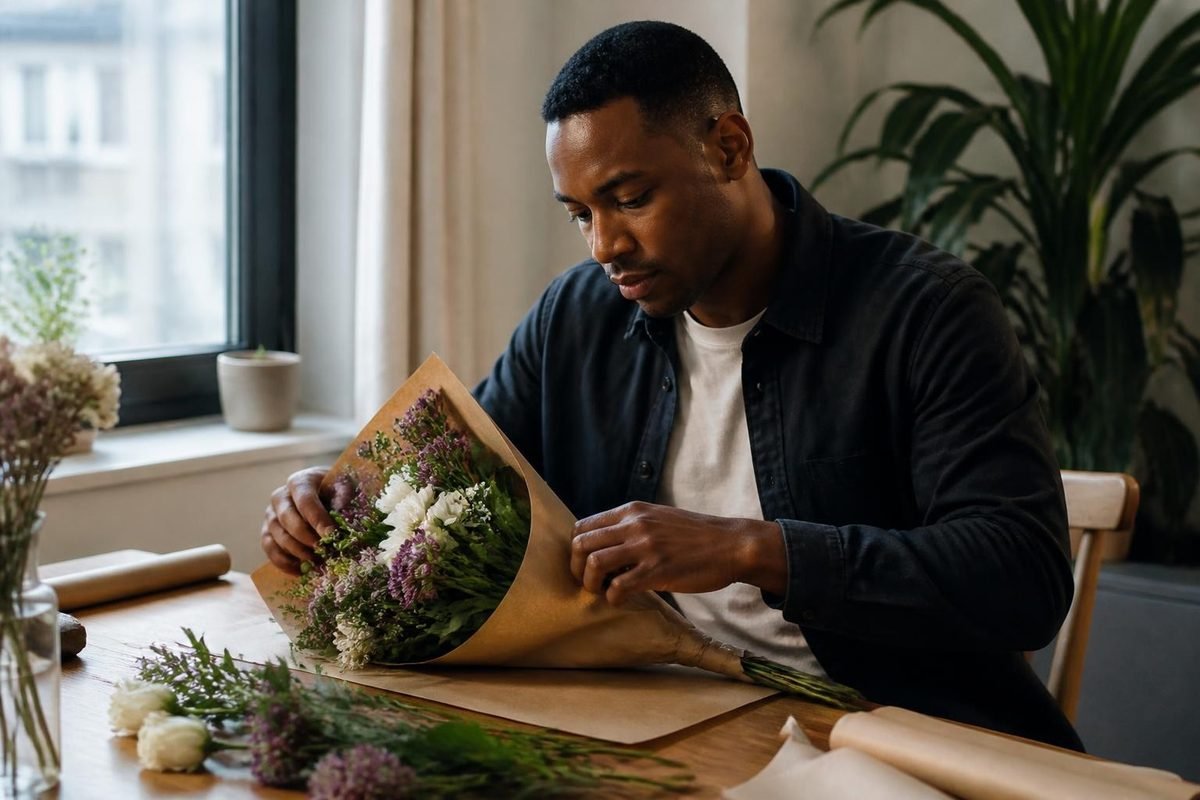
Choose graduation flowers by looking at how they were grown, how far they traveled and what will happen to them after the ceremony. Seasonal stems, clear information from the seller and simple packaging are useful places to start.
Start with the season
Ask which flowers are in season where the ceremony takes place. A florist or grower may be able to suggest stems from nearby fields rather than flowers brought in from farther away. Local availability changes with the weather, so keep an open mind about the exact varieties.
Choosing local is a useful starting point, but distance alone does not tell the whole story. Heating a greenhouse, for example, also uses energy. If the seller knows where and how the flowers were grown, use that information alongside their origin.
Pick a color palette rather than insisting on one flower. A bouquet in the graduate's favorite colors can still feel personal if the available stems change. Foliage from the same growing area can add shape without making the arrangement overly complicated.
Ask about growing practices
Look for a grower or seller who can answer specific questions. Where were the flowers grown? Were they grown outdoors or in a heated greenhouse? What steps does the farm take to manage pests and protect soil?
You may see environmental certifications on flowers or at a stall. Ask what a label covers rather than assuming it addresses every issue. Some standards focus on particular farming practices, while others may also include social conditions. If a claim is vague, it is reasonable to ask for more detail.
There may not be a perfect option available on the day. Use the information you can get, and choose the flowers that fit your priorities. A small bouquet from a grower who can explain their methods may be a good choice.
Keep packaging and waste simple
Ask for minimal wrapping. Paper tied with string can be enough to carry a hand tied bouquet, and it is easier to sort than a bundle of mixed materials. Skip plastic ribbons and decorative extras if they are not important to the graduate.
For a ceremony, consider how the flowers will be carried. A compact bouquet is easier to hold through photos and greetings. Ask for the stems to be secured neatly, and keep them in water until it is time to leave.
Afterward, put the flowers in a clean vase with fresh water. Remove leaves that would sit below the waterline and trim the stems. When the flowers fade, compost them if local facilities accept them. Remove ties and other nonplant materials first.
Questions about graduation flowers
Are dried flowers a sustainable choice?
They can last much longer than fresh flowers, which may make them useful as a keepsake. Their impact still depends on how they were grown, processed and packaged. Ask about dyes and avoid unnecessary wrapping.
Can I give a potted plant instead?
Yes. Choose one suited to the graduate's space and the light available there. Check that they want a plant and can care for it, especially if they are about to move.
You may also like post-harvest flower care